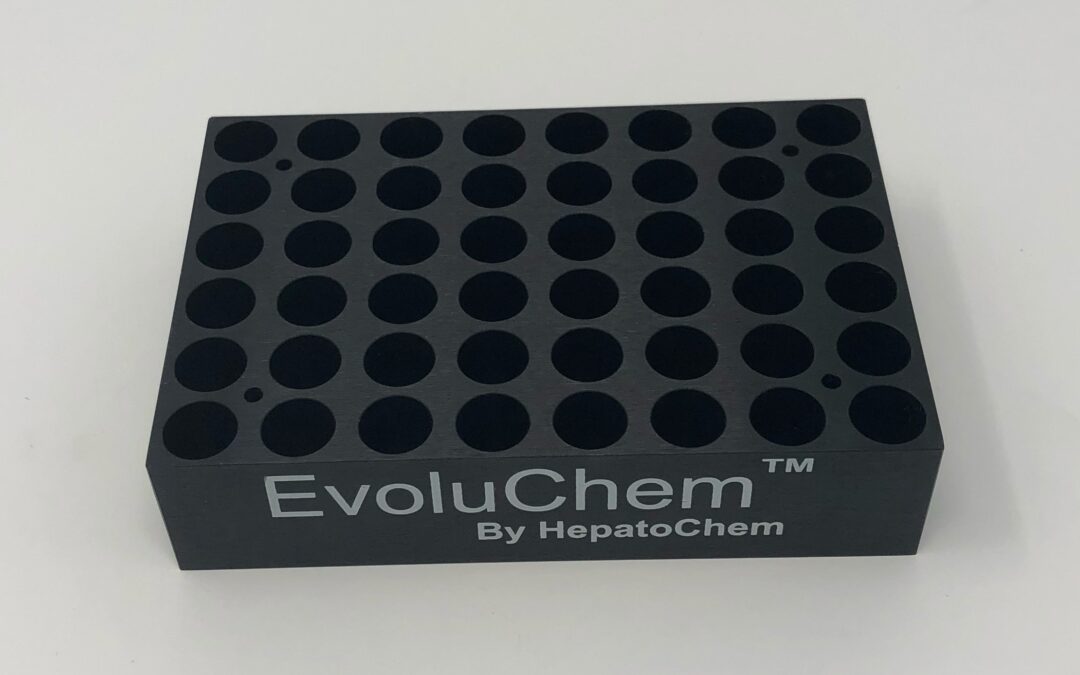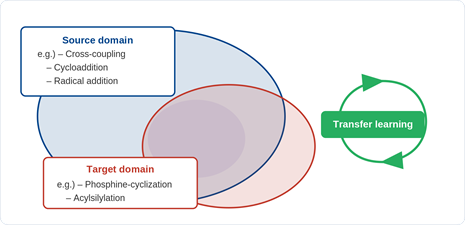
A new ML framework from Nagoya University uses transfer learning to guide organic photosensitizer screening, cutting the number of experiments needed from 25 down to 4, across a broad range of photoreactions run in the EvoluChem PhotoRedOx Box....
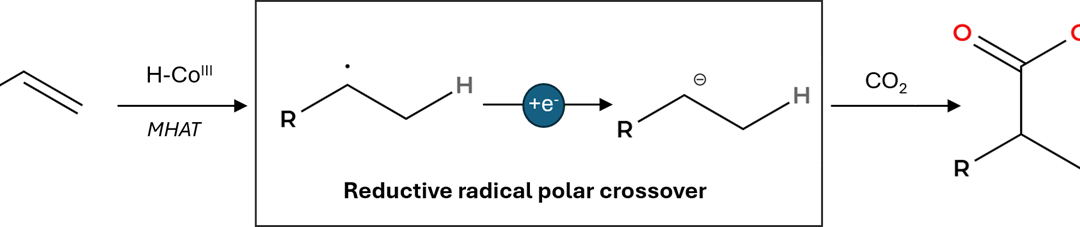
A new cobalt-photoredox method from the Teskey group turns the internal carbon of an olefin into a nucleophile, delivering 2-arylpropanoic acids in one step from styrenes and atmospheric CO2. Metal hydride hydrogen-atom-transfer (MHAT) catalysis is...
A Photochemical Route to Non-Hallucinogenic 5-HT2A Ligands A collaboration between the Mascal Lab at UC Davis, the McCorvy Lab at the Medical College of Wisconsin, and HepatoChem demonstrates how UV LEDs in the Lucent360™ transform a...
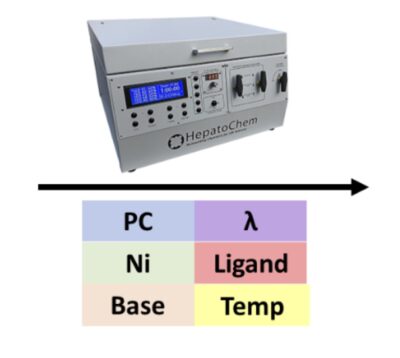
The Lucent360™ is the most complete photochemical reactor available for controlling and screening reaction parameters; wavelength, light intensity, reaction time, and temperature at both small and large scale. But specs only matter when you...
Our 25 favorite photochemistry papers from 2025 Happy New Year from all of us at HepatoChem. Before we move forward into another great year, let’s take a look back at the past year in photochemistry. 2025 gave us a ton of interesting...
Photochemical methods for isotopic labeling connect two favorite interests: drug metabolism and photochemistry. Isotope labeled drugs are critical in ADME studies, imaging, and radiolabeled ligand binding studies…
At first we decided to summarize the Ni cross-coupling photocatalysis literature in a short review—But we quickly realized that’s a terrible idea. Instead, we took on the much more enjoyable task and screen this chemistry with the Lucent360.
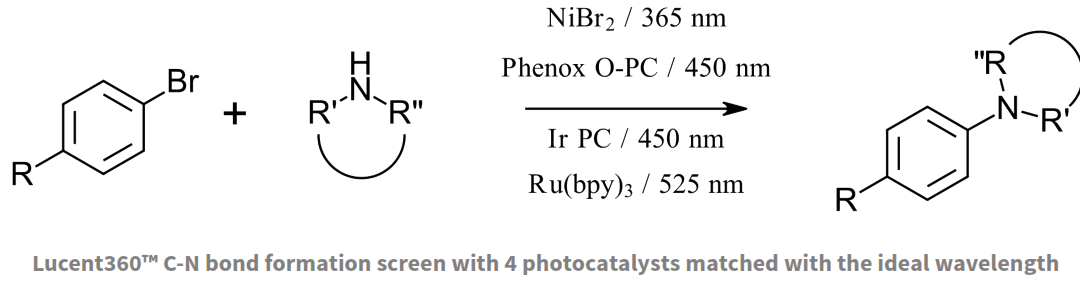
Designing a custom C-N bond formation screening using the multi-light screener in the Lucent360™ Description With the Lucent360™ you can screen up to 4 four wavelengths independently in one experiment, while also controlling for...
Screening light intensity for a photochemical Arbuzov reaction Description With the Lucent360™ you can perform screening photon flux Intensities with up to 4 four light intensities in one experiment, while also controlling for...
Featuring a project where “hey that’s weird & very wrong” turns into something fantastic: Bold decisions, stubbornness & ingenuity result in a new opportunity.
What if we could shine a blue LED on our 8 billion tons of plastic waste and get back a valuable chemical feedstock? Click to read about the Reisner group’s work looking at tackling this problem.