Many of these papers move the field farther into unimaginable areas, while others find photochemical replacements for traditional reactions solving an unmet need.
A quick guide to get you started with initial photochemistry reactions.
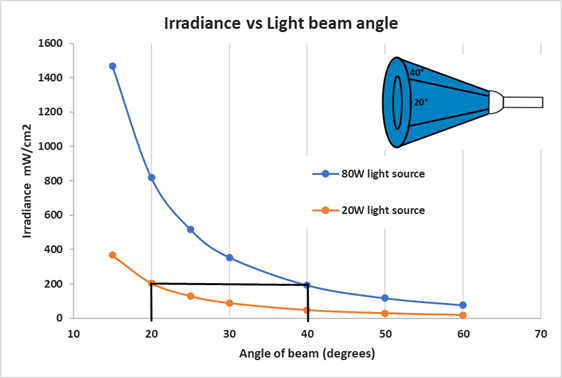
Second in our three-part series on Photochemistry 101. Get started by learning how to evaluate light, standardizing conditions and calculating photon flux.
First of three-part series intended to get you comfortable with photochemistry and provide you with everything you need to know to get started.
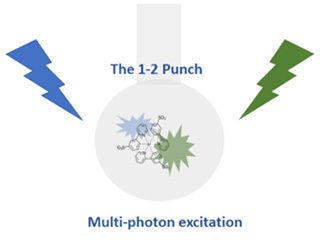
Multi-photon approaches to synthetic photochemistry expand the potential pathways to create more efficient and potentially safer reaction conditions.
A number of recent red light applications in photochemistry have expanded the options available to synthetic organic chemists.
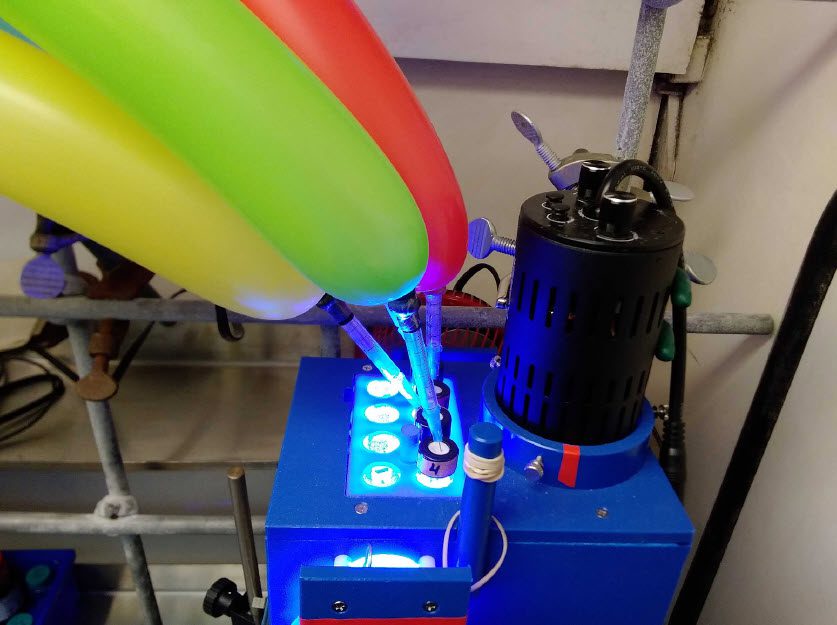
At HepatoChem, we're serious about our chemistry but we don't take ourselves too seriously. We wanted to have a little fun re-producing one of the most viral chemistry experiments found on the web... the traffic light chemistry experiment. You know...
Abtract A practical, catalytic entry to α,α,α"trisubstituted (α"tertiary) primary amines by C-H functionalisation has long been recognised as a critical gap in the synthetic toolbox. We report a simple and scalable solution to this problem that...
Discussion about the modern photochemical approaches using Electron Donor-Acceptor EDA complexes in synthetic organic chemistry.
We describe ferrioxalate actinometer protocol we use to determine photon flux in different reaction vials and photoreactors.
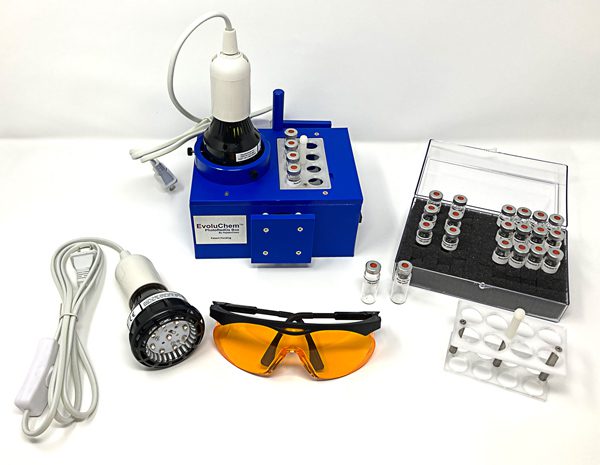
Details on how we determine photon flux using actinometry measurement. Photon flux is measured for our photoreactors using different setups.